
Efficiency and accuracy are paramount. Organizations are increasingly adopting Agile methodologies and Agentic workflows to enhance flexibility and responsiveness. However, ensuring financial accuracy and operational transparency remains a challenge. This is where 3-way matching comes into play. By integrating this robust financial control mechanism into Agile and Agentic workflows, businesses can achieve a seamless balance between speed and precision.
What is 3-Way Matching?
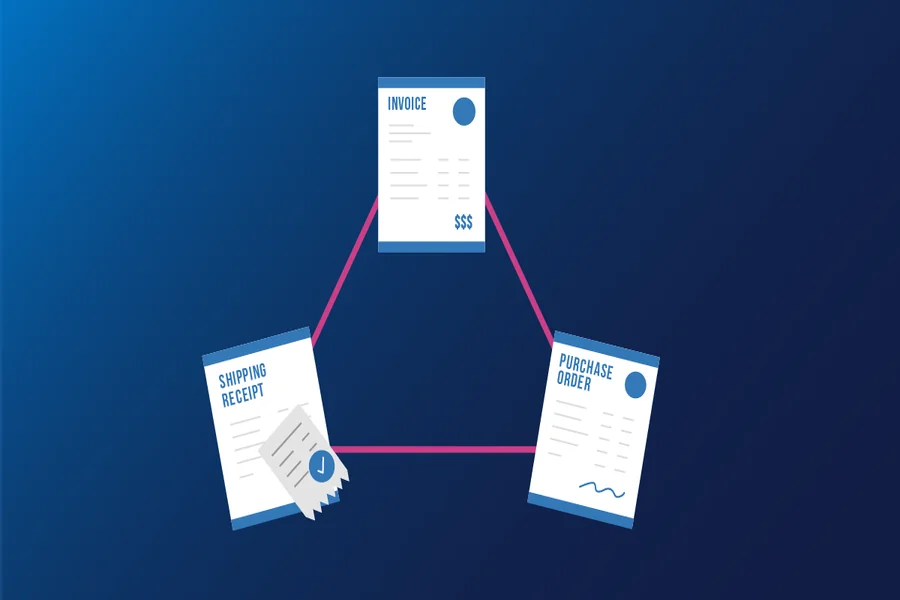
3-way matching is a process used in accounts payable to ensure that purchase orders, delivery receipts, and invoices align perfectly before payments are processed. This method minimizes errors, prevents fraud, and ensures that businesses only pay for goods and services they have actually received. When combined with Agile and Agentic workflows, 3-way matching becomes a powerful tool for maintaining financial integrity without compromising operational agility.
The Synergy Between 3-Way Matching and Agile Workflows
Agile workflows are designed to be iterative, collaborative, and adaptive. They thrive on continuous improvement and rapid response to change. However, this flexibility can sometimes lead to oversights in financial controls. By embedding 3-way matching into Agile workflows, organizations can ensure that financial processes remain robust while still benefiting from the adaptability of Agile. For instance, automated 3-way matching tools can be integrated into Agile project management platforms, enabling real-time validation of financial transactions and reducing the risk of discrepancies.
Enhancing Agentic Workflows with 3-Way Matching
Agentic workflows focus on empowering individual agents or teams to make autonomous decisions based on predefined rules and data. This approach fosters innovation and accountability but can also introduce variability in financial processes. Implementing 3-way matching within Agentic workflows ensures that all financial transactions are validated against objective criteria, maintaining consistency and compliance. Automated workflows can further enhance this process by flagging discrepancies and enabling swift corrective actions, thereby preserving the autonomy of agents while safeguarding financial accuracy.
Benefits of Integrating 3-Way Matching
The integration of 3-way matching into Agile and Agentic workflows offers numerous benefits. It reduces the risk of overpayments, duplicate payments, and fraudulent activities. It also improves vendor relationships by ensuring timely and accurate payments. Additionally, the automation of this process frees up valuable time for finance teams, allowing them to focus on strategic initiatives rather than manual reconciliations. Ultimately, this integration fosters a culture of accountability, transparency, and continuous improvement.
Conclusion
Incorporating 3-way matching into Agile and Agentic workflows is not just a best practice—it’s a strategic imperative for modern businesses. By harmonizing financial controls with dynamic workflows, organizations can achieve greater efficiency, accuracy, and agility. Whether you’re managing complex projects or empowering autonomous teams, 3-way matching provides the financial oversight needed to drive success. To explore how you can implement this powerful process in your workflows, consider leveraging advanced tools and platforms designed for seamless integration.
