

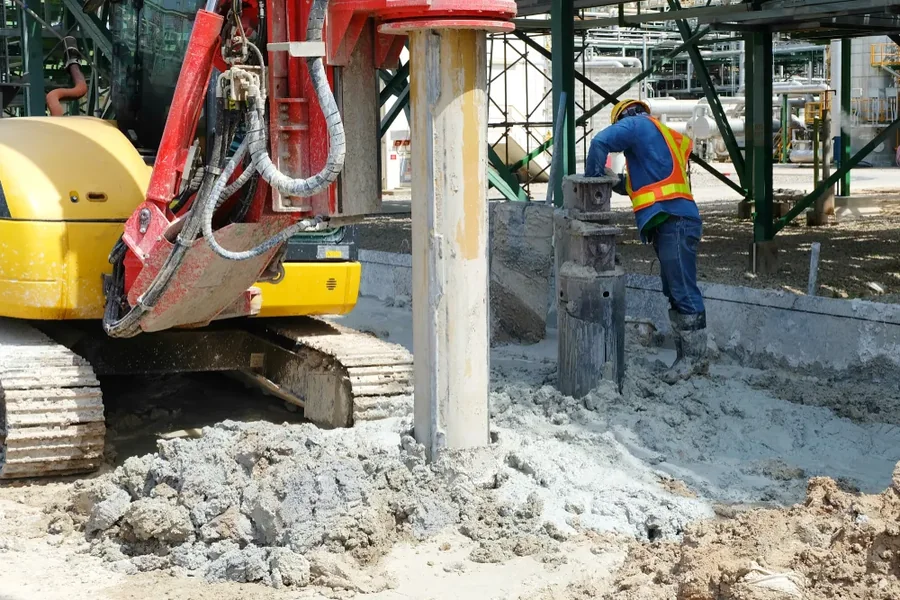
In any construction or infrastructure project, the ground beneath your feet plays a crucial role in determining success. Before a single brick is laid or a foundation is poured, engineers must understand the earth materials that will support the structure. This is where geotechnical engineering solutions, visit site come in — a specialized field of civil engineering that analyzes the properties of soil, rock, and groundwater to design safe, stable, and cost-effective structures.
If you’re preparing to visit a site, whether as a project owner, contractor, engineer, or stakeholder, having a solid understanding of geotechnical conditions is essential. In this article, we’ll break down what geotechnical engineering involves, the types of solutions available, and what to look for during a site visit.
What Is Geotechnical Engineering?
Geotechnical engineering is a branch of civil engineering focused on the behavior of earth materials and their interaction with structures like buildings, bridges, roads, tunnels, and dams. It involves investigating, testing, and analyzing the subsurface conditions of a site before and during construction.
Engineers use their findings to recommend foundation types, assess slope stability, mitigate risks, and ensure the long-term performance of a structure. Without proper geotechnical input, even the most well-designed buildings can face serious challenges like settling, cracking, landslides, or collapse.
Common Geotechnical Engineering Solutions
Here are some of the most common and critical geotechnical engineering services used across construction projects:
1. Site Investigation and Soil Testing
Before any design begins, geotechnical engineers perform a detailed site investigation. This includes drilling boreholes, taking soil and rock samples, conducting Standard Penetration Tests (SPT), and performing laboratory analysis. These tests provide valuable information on soil strength, composition, density, and moisture content.
2. Foundation Design
Based on the soil characteristics, engineers determine the most suitable foundation type for the structure. This could include:
- Shallow foundations (e.g., spread footings or slabs) for firm soil close to the surface.
- Deep foundations (e.g., piles or caissons) for sites with weak or compressible soil layers.
Proper foundation design is critical to prevent future structural issues.
3. Slope Stability Analysis
For projects on or near hillsides, embankments, or uneven terrain, engineers assess the risk of slope failure or landslides. Using modeling software, they analyze soil strength and geometry to design safe slopes or install reinforcements like retaining walls or soil nails.
4. Groundwater Control
Water beneath the ground can be a major issue during and after construction. Engineers analyze groundwater levels and flow to recommend drainage systems, dewatering techniques, or waterproofing measures to protect the structure.
5. Earth Retention and Excavation Support
When construction requires deep excavation, geotechnical solutions such as sheet piling, soldier piles, or secant walls are used to support surrounding soil and protect adjacent structures.
6. Ground Improvement
If existing soil is too weak to support construction, engineers may propose ground improvement techniques like compaction, grouting, vibroflotation, or using geosynthetics to enhance soil properties.
7. Seismic Site Classification
In earthquake-prone areas, geotechnical engineers assess how the site will respond to seismic forces. They provide recommendations for seismic design based on local building codes and site-specific conditions.
Why You Should Consider Geotechnical Input Before You Visit the Site
Site visits are an important step in project planning, but they can be far more informative and effective when paired with preliminary geotechnical insights. Here’s why:
1. Early Risk Identification
By reviewing geotechnical reports before your site visit, you can identify red flags like soft soils, high water tables, contamination, or unstable slopes. This allows you to plan your visit more effectively and avoid costly surprises later.
2. Smarter Site Selection
If you’re evaluating multiple parcels of land, understanding the geotechnical conditions can help you choose the most cost-effective and buildable site. A plot with poor soil might require expensive deep foundations, while another with firmer ground could offer major savings.
3. Enhanced Safety During the Visit
Knowing about existing hazards — like unstable terrain, groundwater issues, or previous contamination — allows for a safer and more productive site walkthrough. You’ll know where to step, what to inspect, and what to avoid.
4. Better Communication with Engineers
When you visit the site with a baseline understanding of geotechnical findings, you’re better equipped to ask relevant questions, discuss construction methods, and make informed decisions.
What to Look for During the Site Visit (With Geotechnical Info in Hand)
Armed with geotechnical data, your site visit becomes more focused. Here are key elements to observe:
- Surface Conditions: Compare the visible terrain with what’s in the report. Are there signs of erosion, vegetation distress, or ponding water?
- Accessibility: Evaluate whether equipment can be brought in safely or if the soil may require temporary stabilization.
- Drainage Patterns: Watch how water moves across the surface. Poor drainage could indicate potential future issues.
- Existing Structures Nearby: Consider how nearby buildings or infrastructure might be affected by excavation or vibrations.
- Evidence of Ground Movement: Look for cracks, leaning trees, or uneven surfaces that could indicate unstable soil or past slope movement.
Choosing the Right Geotechnical Engineering Firm
Not all geotechnical consultants are the same. Here’s what to look for when selecting a firm:
- Licensed and Experienced Engineers
- Full-Service Capabilities (site investigation, lab testing, analysis, reporting)
- Familiarity with Local Soils and Codes
- Responsive Communication and Clear Reporting
- Strong Safety Record and Project Portfolio
It’s a good idea to involve your geotechnical team early in the planning process so their insights can influence everything from land acquisition to structural design.
Final Thoughts
When it comes to construction, what lies beneath is just as important as what’s built above. Geotechnical engineering solutions provide the critical data and recommendations needed to build safely, efficiently, and sustainably. If you’re about to visit a site, don’t go in blind. Review the geotechnical findings first, understand the risks and opportunities, and use that knowledge to guide your observations and decisions.
