

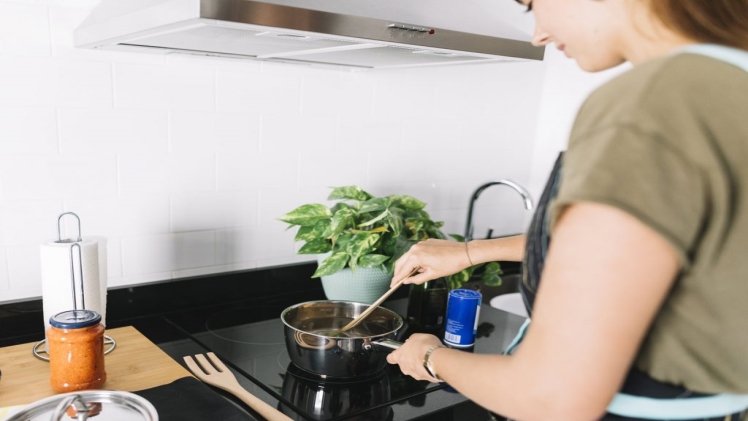
Frying pans are a crucial utensil in most households, cafes and restaurants. Maybe you are looking to replace your old one or setting up a kitchen in your new home or apartment. Regardless, deciding the frying pan to settle for can be an arduous task, mostly due to the many options out there. In this read, we are going to cover some of the common types of frying pans and things you should be looking for.
What to Look For
Before you decide on the best frying pan, you should consider what you’ll use it for. You want a frying pan that’s large enough for most of your needs, but not too large to ruin your food. you should also consider the depth. Nowadays, some pans are deep enough to accommodate a stew, curry, or stirfry, while others are shallow enough to cook omelets and creeps.
That said, here are some of the most common frying pans:
1. Non-Stick Pans
If you want to get just one pan, go for the general-purpose non-stick frying pan. This type will see you through most cooking needs and it’s a walk in the park when it comes to cleaning. No matter what the manufacturers say, only use plastic or wooden utensils on non-stick pans to protect the coating and extend their life.
2. Stainless Steel Frying Pans
Made of stainless steel, these pans are heavy-duty and call for very little maintenance. Consider one with copper or aluminum in the base as these materials make them excellent heat conductors. Be warned though as food can stick if the pan is not well greased.
3. Copper Frying Pans
These are not only appealing, but they are the best conductors of heat. They come for a premium price, but even the best chefs say it’s worth it due to their performance and durability. Unfortunately, copper pans call for a lot of work since they tarnish easily. As a result, you need to polish them on a regular basis for optimal performance.
4. Cast Iron Frying Pans
These traditional frying pans are the heaviest and a favorite for experienced cooks. They tend to heat up slowly, but they conduct heat evenly and hold their temperature for a long time. On the downside, they are prone to corrosion, but with the right maintenance, they can last a lifetime. If you have a bit more to spend, settle for the enameled cast iron type, as it will protect the iron and reduce the maintenance.
5. Blue Steel Pans
Also referred to as untreated mild steel frying pan, the blue steel pan is a favorite for many in the culinary world and a traditional substitute for non-stick pans. Blue steel pans are inexpensive, give great results can be used with metal utensils and will last for long. Unfortunately, they need to be seasoned before use and should never be washed, just wiped and seasoned on an occasional basis. Over time, this will lead to an appealing non-stick coating, but if you neglect them, you’ll have to battle with rust.
Consider Getting Two
It is advisable to get at least two great frying pans for different types of cooking. A general rule of thumb is to get a coated one for general use, and one that can handle high temperatures for ideal Sautee and searing. If you want to cook in large quantities, then a large sauté frying pan with straight edges should be an excellent choice. Whether you’re looking to cook stew, pasta, or any type of sauce, it’s possible with such a pan.
Choosing the Right Pan
The most important features of a good pan include a thick base, sturdy frame or structure, durable surface, and versatility. The handle boils down to your preference, but you want one that fits your hand properly.
When comparing frying pans made of the same materials, for instance, steel pans, usually the heavier the better. A heavier steel frying pan will have a thicker frame and base, meaning it will retain heat better and last longer. However, keep in mind that weight isn’t a good parameter when comparing frying pans made of different materials. Aluminum, steel, and cast iron have very different weights.
With these tips, you should be in a position to pick a frying pan that matches your cooking needs.
