

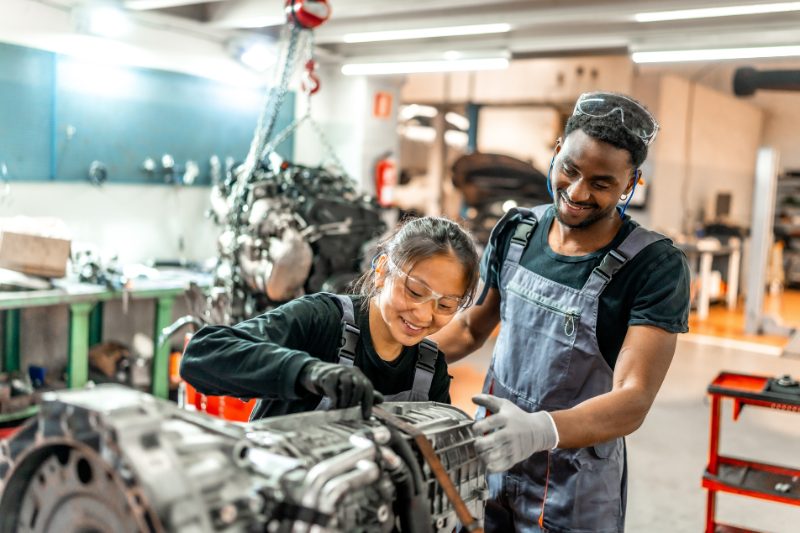
There is something rewarding about living in a community where people know how to build, repair, maintain, and improve the places around them. Skilled trades have always played an important role in helping communities grow, and that role continues to be important today. From homes and businesses to public spaces and local infrastructure, skilled workers are responsible for much of the physical work that keeps everyday life moving.
The trades also offer a practical career path for people who enjoy working with their hands, solving problems, and seeing the results of their effort. Construction, welding, contracting, electrical work, plumbing, and other skilled professions all require dedication and training, but they can provide a strong sense of accomplishment and purpose.
The Value of Hands On Work
One of the biggest benefits of working in a skilled trade is being able to see the results of your work. Instead of spending every day behind a desk, tradespeople often have the opportunity to create something physical. A project can begin as a plan or an idea and eventually become a finished structure that people use for years.
That process requires more than physical strength. Skilled workers need to understand materials, tools, measurements, safety procedures, and project requirements. They also need to make decisions when unexpected problems appear. These practical skills develop through training and experience, making skilled trades an excellent option for people who enjoy learning by doing.
Construction Builds More Than Structures
Construction has an impact that goes beyond individual projects. New homes give families places to live, businesses create spaces where people can work, and community facilities provide places for people to gather. Behind all of these projects are workers who bring plans to life.
Construction professionals also help maintain existing structures. Repairs, renovations, upgrades, and improvements can extend the life of a building and help preserve the character of a neighborhood. This work may not always attract as much attention as a brand new development, but it is just as important.
Welding Requires Skill and Precision
Welding is another trade that demonstrates the importance of craftsmanship. Joining pieces of metal requires concentration, proper technique, and an understanding of how different materials behave. A strong weld can be an essential part of a structure or piece of equipment, which means quality and safety are always important.
People who develop welding skills can find opportunities in many areas, including construction, manufacturing, equipment repair, and specialized fabrication. The work can be challenging, but it can also be very satisfying for someone who enjoys precision and hands on problem solving.
For tradespeople such as Joel Ney, working with materials and tools provides an opportunity to turn knowledge and experience into something useful. The satisfaction comes from knowing that the finished work was created through skill, patience, and attention to detail.
Passing Skills to the Next Generation
One of the biggest challenges facing skilled trades is making sure valuable knowledge continues to be passed from experienced workers to younger generations. A person can learn many things from a classroom, but there are lessons that only come from working alongside someone who has spent years in the field.
Experienced tradespeople can teach younger workers how to approach problems, use tools correctly, understand materials, and maintain high standards. At the same time, younger workers bring new ideas and familiarity with modern technology. Combining experience with new approaches can make the industry stronger.
Encouraging young people to consider careers in the trades is important because communities will always need skilled workers. Homes and businesses will continue to require construction, maintenance, repairs, and improvements.
Technology and Traditional Skills
Modern technology has changed the way construction and other trades operate. Digital plans, advanced measuring equipment, improved machinery, and project management software can make work more efficient and accurate. However, technology does not eliminate the need for skilled workers.
Someone still needs to understand how materials behave, recognize problems, operate equipment, and make practical decisions. The best results often come from combining modern tools with traditional hands on knowledge. Technology can provide better information, but experience helps workers understand how to use that information effectively.
Taking Pride in Your Work
A strong work ethic is one of the most valuable qualities anyone can bring to a trade. Construction and welding can involve demanding conditions, long days, and challenging projects. People who take pride in their work understand that doing a job correctly matters, even when the details are not immediately visible.
Quality work builds trust. Customers want to know they can rely on a contractor, while coworkers need to know that everyone on a project will do their part. Over time, that reliability creates a strong professional reputation.
Supporting Local Communities
Skilled trades also provide an opportunity to contribute directly to the communities where people live. Local contractors and tradespeople help maintain homes, businesses, recreational facilities, and other important spaces. Their work can make neighborhoods safer, more attractive, and more functional.
There is also value in supporting local businesses and trades whenever possible. Keeping work within the community can help create jobs, develop local expertise, and strengthen relationships between residents and businesses.
Final Thoughts
Skilled trades remain an important part of strong communities because they provide the people and expertise needed to build, repair, and maintain the places we depend on. They offer rewarding career opportunities for people who enjoy practical work and want to see the results of their efforts.
Construction and welding are about much more than tools and materials. They are about craftsmanship, responsibility, teamwork, and pride. As communities continue to grow and change, there will always be a need for people who are willing to learn a trade, work hard, and build something that lasts.
