

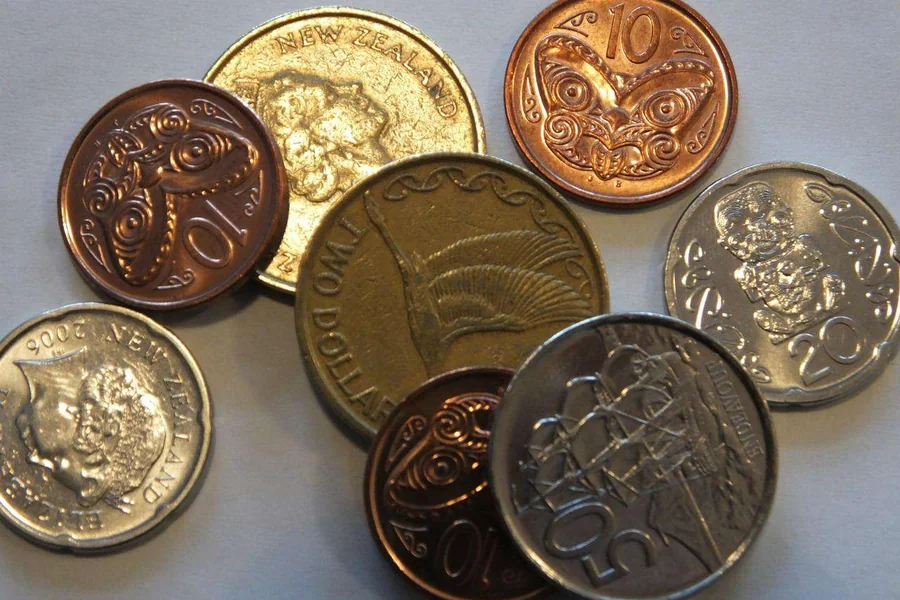
Coin grading is one of the most important parts of understanding coin value. Two coins can look almost identical at first glance, yet one may be worth far more simply because of its condition. For collectors in West Columbia, TX, learning how grading works can make a major difference when building, buying, or selling a collection.
The American Rare Coin Collectors Association often emphasizes that condition is one of the biggest factors in determining what a coin is truly worth. Understanding grading helps collectors avoid mistakes and recognize value more accurately.
What Coin Grading Means
Coin grading is the process of evaluating a coin’s physical condition. This includes wear, surface quality, strike sharpness, and overall appearance. Grading gives collectors and buyers a standardized way to understand a coin’s quality.
Why Grading Matters
A coin’s grade directly affects its value. A rare coin in poor condition may be worth far less than the same coin in excellent condition. Even small differences in wear can lead to large price differences.
For example, a heavily circulated silver dollar may be worth only its metal value, while the same coin in near-perfect condition can be worth hundreds or even thousands of dollars.
The Coin Grading Scale Explained
Most coins are graded using a scale that ranges from low to high condition. Understanding this scale helps collectors identify where their coins fall in terms of value.
Poor to Good (Low Grades)
Coins in this category are heavily worn. Details are often faint, and designs may be difficult to see. These coins are usually valued close to their metal content unless they are extremely rare.
Fine to Very Fine (Mid Grades)
Coins in this range show moderate wear but still retain clear details. Major design elements are visible, and the coin is still attractive to collectors. Value increases significantly compared to lower grades.
Extremely Fine to About Uncirculated (High Grades)
Coins in this category show only slight wear, often on the highest points of the design. They are much more desirable to collectors and can command strong prices depending on rarity.
Mint State (Highest Grade)
Mint State coins show no signs of circulation. They appear as they did when they left the mint. These coins are the most valuable and are highly sought after, especially in rare dates or limited mintages.
Factors That Affect Coin Grade
Several specific factors are used to determine a coin’s grade. Understanding these helps collectors evaluate coins more accurately.
Wear and Circulation
Wear is the most obvious factor. Coins that have been used in circulation for many years show signs of smoothing on high points of the design. Less wear means a higher grade.
Luster
Luster refers to the natural shine of a coin when it is struck. Coins with strong, original luster are more valuable. Cleaning a coin can damage luster and reduce its grade significantly.
Strike Quality
Strike quality refers to how well the design was impressed during minting. Some coins have weak strikes, while others show sharp detail. A strong strike usually increases value.
Surface Quality
Scratches, marks, and discoloration affect a coin’s grade. Even minor imperfections can reduce value, especially in higher-grade coins where collectors expect near-perfect surfaces.
Why Condition Can Change Value So Dramatically
Condition plays a bigger role in coin value than many beginners realize. A small difference in grade can lead to a large difference in price.
Example of Value Differences
A common silver coin in worn condition may be worth only a small premium over metal value. However, the same coin in uncirculated condition can be worth many times more.
Collectors are willing to pay more for better condition because high-grade coins are harder to find.
Rarity and Condition Together
When rarity and condition combine, value increases significantly. A rare coin in poor condition may still be valuable, but a rare coin in excellent condition is often considered a premium collectible.
Common Grading Mistakes Beginners Make
New collectors often misunderstand grading, which can lead to mistakes when buying or selling coins.
Overestimating Condition
One common mistake is assuming a coin is in better condition than it actually is. Without experience, it is easy to overlook wear or surface damage.
Cleaning Coins
Cleaning coins is one of the most damaging mistakes. It can remove natural surfaces and reduce grade. Even lightly cleaned coins are often worth less than untouched ones.
Ignoring Subtle Wear
Small signs of wear on high points of a coin are easy to miss. These details are important in determining accurate grade and value.
How to Evaluate Coin Condition at Home
While professional grading is best for valuable coins, collectors can still perform basic evaluations at home.
Use Good Lighting
Natural or bright white lighting helps reveal surface details. Shadows and reflections can hide wear or imperfections.
Use a Magnifying Glass
A simple magnifier helps identify small scratches, wear points, and mint marks. This is especially useful for older or detailed coins.
Compare With Reference Images
Coin guides and reference books show examples of different grades. Comparing your coin to these images helps estimate its condition more accurately.
When to Get Professional Grading
Some coins should always be professionally graded, especially if they may be valuable.
High-Value Coins
Rare coins or coins suspected to be valuable should be evaluated by experts. Professional grading provides certification and increases buyer confidence.
Authentication Purposes
Grading services also confirm authenticity. This is important for rare coins that may have counterfeits in the market.
Collectors often rely on trusted organizations like the American Rare Coin Collectors Association for guidance on when professional grading is necessary.
How Grading Affects Buying and Selling
Understanding grading helps both buyers and sellers make better decisions.
For Buyers
Buyers should always check the grade before purchasing a coin. Paying too much for a low-grade coin is a common mistake.
For Sellers
Sellers benefit from knowing their coin’s grade because it helps set realistic expectations for value. Proper grading ensures fair offers and smoother transactions.
The American Rare Coin Collectors Association often works with collectors to explain grading and help ensure fair evaluations during buying and selling.
Building a Collection With Grading in Mind
Collectors who understand grading are better able to build strong, valuable collections.
Focus on Quality
It is often better to have fewer high-grade coins than many low-grade ones. Quality tends to hold value better over time.
Learn Continuously
Grading takes experience. The more coins you handle, the better you become at recognizing subtle differences in condition.
Protect Your Coins
Proper storage helps preserve grade. Coins should be kept in holders or protective cases to prevent wear, scratches, or environmental damage.
Conclusion
Coin grading is essential to understanding the true value of any collection. Condition affects price more than many beginners realize, and even small differences in wear or surface quality can change a coin’s worth significantly.
By learning how grading works, collectors in West Columbia, TX, can make better decisions when buying, selling, or evaluating coins. Careful observation, proper handling, and ongoing education all contribute to stronger collecting skills.
Trusted organizations like the American Rare Coin Collectors Association provide valuable guidance for collectors who want to understand grading more deeply and avoid costly mistakes. With the right knowledge, collectors can appreciate not just what their coins are, but what their condition truly means for their value.
