

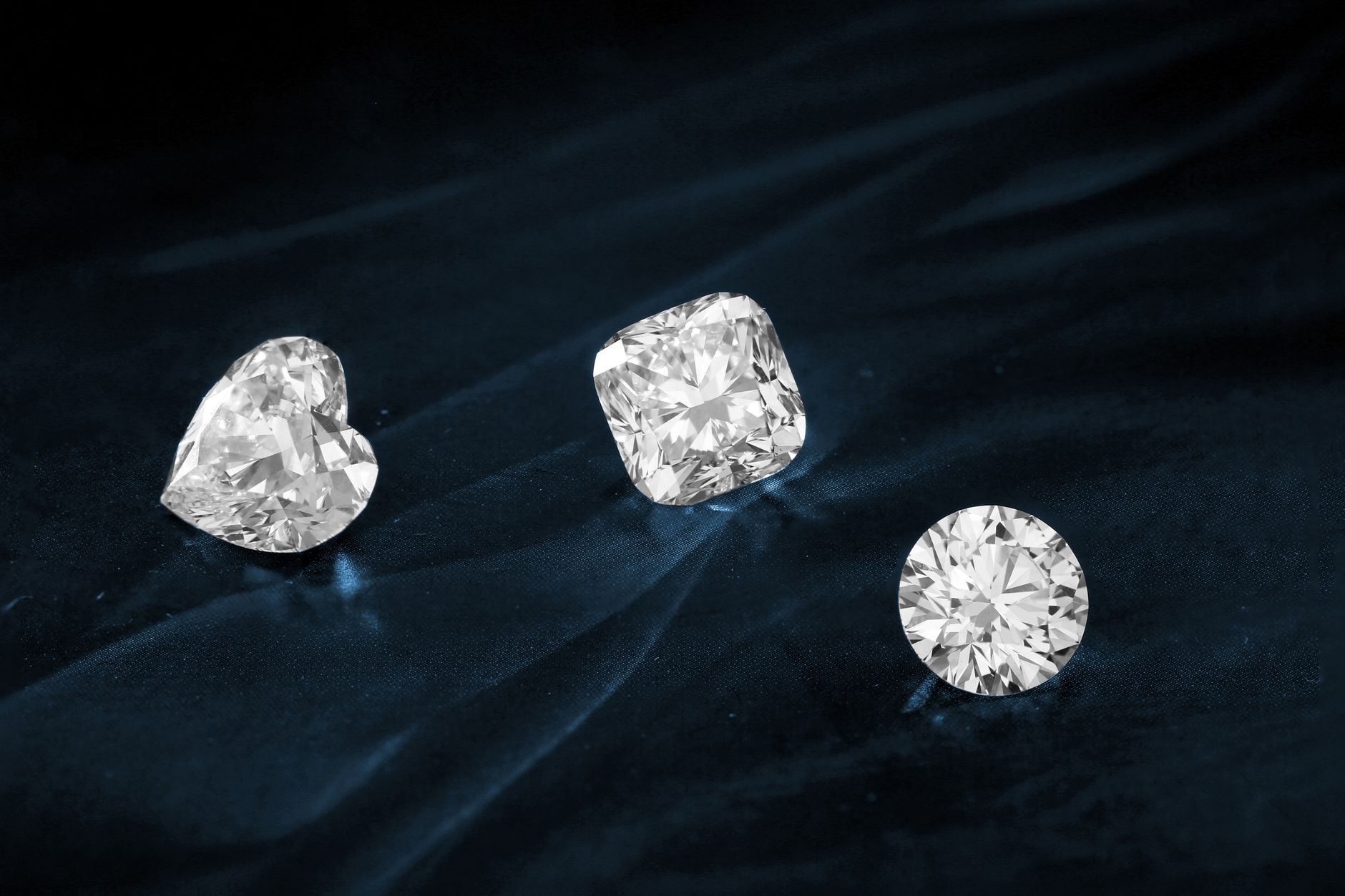
Diamonds are admired for their brilliance, rarity, and timeless appeal, but choosing the right stone involves more than simply appreciating its sparkle. Anyone looking to buy diamonds should understand the factors that influence their quality, authenticity, and market value. From examining the four Cs to reviewing certification documents, every detail contributes to determining whether a diamond is worth its asking price. Making an informed decision requires balancing personal preferences, budget, and quality expectations.
By understanding how diamonds are graded and priced, buyers can make confident choices and select a gemstone that offers lasting beauty and genuine value.
1. Understand the Four Cs of Diamond Quality
The four Cs: cut, colour, clarity, and carat weight—form the foundation of diamond evaluation. Understanding these characteristics helps buyers compare stones and determine how individual qualities influence their overall value.
Cut: The Foundation of Brilliance
Cut refers to how effectively a diamond’s proportions, symmetry, and facets interact with light. A well-cut diamond reflects light beautifully, creating the brilliance and sparkle associated with this gemstone. Even a diamond with excellent colour and clarity may appear less attractive if its cut proportions are poorly balanced. Therefore, buyers should pay close attention to cut quality rather than focusing exclusively on size.
Colour: Understanding Subtle Differences
Diamond colour grading generally evaluates how colourless a stone appears. The widely recognised grading scale ranges from D, representing colourless diamonds, to Z, indicating noticeable yellow or brown tones. Although colour differences can be subtle, they may influence a diamond’s appearance and price. The ideal choice depends on the buyer’s visual preferences and budget.
Clarity: Examining Natural Characteristics
Clarity measures the presence of internal inclusions and external blemishes. These characteristics develop naturally during the formation of diamonds. Grades range from Flawless to Included, depending on the visibility, size, number, and location of imperfections. A diamond does not necessarily need to be flawless to look beautiful. Stones with minor inclusions that are difficult to notice without magnification can offer an appealing balance between appearance and cost.
Carat: Evaluating Weight and Appearance
Carat measures a diamond’s weight, not its physical dimensions or visual quality. Larger diamonds generally command higher prices, particularly when combined with desirable cut, colour, and clarity grades. However, selecting a heavier stone does not automatically guarantee better value. Buyers should consider how the diamond looks and performs rather than prioritising carat weight alone.
2. Examine Diamond Certification and Authenticity
Certification is an important consideration when evaluating a diamond because it provides documented information about the gemstone’s characteristics. A reliable grading report helps buyers understand what they are purchasing instead of depending entirely on a seller’s description.
A recognised gemological laboratory may assess the diamond’s cut, colour, clarity, carat weight, and other identifying features. Some reports also include measurements, proportions, fluorescence, and clarity characteristics. Buyers should check whether the report corresponds to the actual stone and review the issuing laboratory’s credentials.
It is equally important to understand that a grading report is not the same as a valuation or guarantee of resale price. Certification primarily documents the diamond’s assessed characteristics. Its market value still depends on quality, demand, availability, and prevailing market conditions.
For individuals exploring a certified diamond Bangalore purchase, checking the credibility of the grading laboratory and requesting appropriate documentation can make the selection process more transparent. Buyers should also ask about the diamond’s natural or laboratory-grown origin, treatments, and any other relevant disclosures.
3. Compare Prices Without Compromising on Quality
Diamond prices can vary considerably, even between stones with similar carat weights. This happens because several characteristics influence their desirability and market positioning.
When comparing prices, buyers should examine diamonds with similar grading specifications. Comparing a high-quality cut diamond with a poorly cut alternative simply because they share the same carat weight can produce misleading conclusions.
It is also useful to consider the following factors:
- Market demand: Consumer preferences and global diamond market conditions can influence pricing.
- Rarity: Certain combinations of size, colour, clarity, and cut are less commonly available and may command higher prices.
- Shape: Round brilliant diamonds and fancy shapes can have different pricing structures.
- Retail considerations: Seller reputation, sourcing practices, documentation, and service policies may influence the final purchase experience.
Rather than selecting the lowest-priced option, buyers should identify which characteristics matter most to them. A slightly smaller diamond with an excellent cut may provide greater visual appeal than a larger stone with weaker proportions.
4. Consider the Diamond’s Origin and Disclosure
Understanding where a diamond comes from is another important part of making an informed purchase. Buyers increasingly value transparency regarding sourcing, traceability, and responsible business practices.
Natural diamonds form deep within the Earth over geological periods, whereas laboratory-grown diamonds are produced using specialised technological processes. Both have essentially the same chemical composition and crystal structure, but their origins and market characteristics differ.
Before making a decision, buyers should clarify whether the stone is natural or laboratory-grown. They should also request information about any treatments that could affect its appearance or value.
Responsible sourcing and accurate disclosure help establish trust between sellers and customers. These details are particularly relevant when purchasing a gemstone intended for a significant personal occasion or long-term collection.
Conclusion
Evaluating a diamond’s value requires a thoughtful understanding of quality, certification, pricing, origin, and intended use. The four Cs provide an essential starting point, while independent grading reports and transparent seller information help establish confidence in the purchase. Ultimately, the right diamond is not necessarily the largest or most expensive one but the stone that offers the best combination of authenticity, appearance, quality, and personal suitability. Taking time to compare available options can make it easier to buy diamonds with greater confidence and clarity.
RudraTree is a trusted name in the gemstone industry, offering a carefully curated collection of natural gemstones and precious stones. With a focus on authenticity, quality, and customer satisfaction, the company aims to make gemstone selection a transparent and informed experience. Combining industry experience with personalised guidance, RudraTree helps customers explore suitable gemstones while emphasising quality, genuine sourcing, and reliable certification.
