

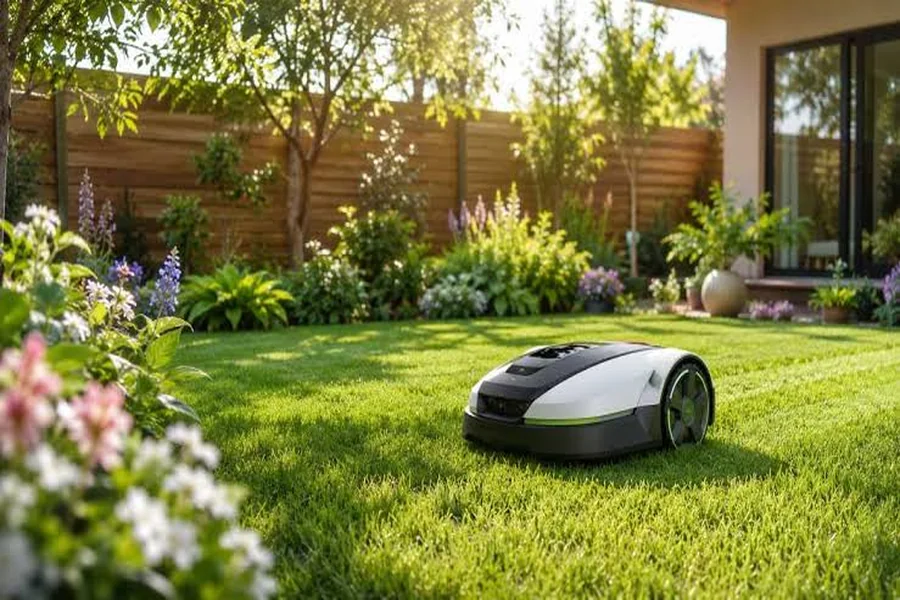
A well-maintained lawn and a thriving wildlife habitat do not have to be competing priorities. However, conventional mowing routines can sometimes work against biodiversity by removing flowering plants, disturbing insects, and reducing the natural variety of vegetation that supports birds and pollinators. A more thoughtful approach to lawn care can help homeowners maintain usable outdoor spaces while making room for nature.
A robot lawn mower can contribute to this approach by changing how frequently and how intensively grass is cut. Instead of relying on occasional, lengthy mowing sessions, automated equipment can maintain selected lawn areas through shorter, more controlled cutting cycles. Homeowners exploring robot lawn mower technology can consider how automation fits into a broader landscape management strategy that prioritizes both convenience and ecological responsibility.
The important distinction is that automation alone does not create a wildlife-friendly garden. Its value depends on where, when, and how the equipment is used.
1. Understanding How Traditional Mowing Can Affect Local Wildlife
Regular mowing changes more than the appearance of a property. It influences vegetation height, flowering opportunities, insect activity, and the availability of shelter for small animals.
When an entire lawn is cut uniformly, several ecological resources can disappear at once. Flowering clover and other low-growing plants lose opportunities to produce nectar, while insects may lose food sources and temporary shelter.
Frequent mowing can also disturb ground-dwelling invertebrates, particularly when equipment operates through areas containing flowering plants or dense vegetation.
This does not mean lawns should never be maintained. Rather, it suggests that mowing schedules and cutting patterns should reflect the different functions of individual landscape areas.
2. How Automated Mowing Can Encourage More Selective Lawn Management
One advantage of automated mowing is the ability to maintain designated grass areas without repeatedly treating the entire property as one uniform surface.
A homeowner can establish mowing boundaries that separate frequently used recreational spaces from less intensively managed sections.
For example, consider a suburban property with a central lawn, a vegetable garden, and a tree-lined boundary. The central lawn may need regular maintenance for children and outdoor activities, while the perimeter could benefit from taller vegetation and seasonal flowering plants.
Automation makes it easier to maintain the central area consistently without requiring the surrounding landscape to follow the same mowing schedule.
This separation creates opportunities for a more diverse garden without sacrificing the practical benefits of an accessible lawn.
3. Why Mowing Frequency and Grass Height Matter for Biodiversity
The timing and intensity of mowing can influence how much habitat remains available between maintenance sessions.
Grass that is consistently cut very short offers limited shelter compared with vegetation maintained at a greater height. Allowing selected sections to grow longer can provide cover for insects and other small organisms.
Homeowners can apply several practical adjustments:
- Keep frequently used lawn sections at a suitable maintenance height.
- Allow selected edges and corners to grow naturally.
- Reduce mowing frequency around flowering ground cover.
- Avoid cutting every section simultaneously.
- Maintain taller vegetation around suitable garden boundaries.
Automated mowing can support these practices by handling routine maintenance in designated areas while leaving wildlife-supporting sections undisturbed.
The objective is not to eliminate mowing but to avoid unnecessary uniformity.
4. Can Robot Lawn Mowers Reduce Disruption to Insects and Small Animals?
The relationship between automated mowing and wildlife requires careful consideration.
Small, frequent cutting sessions may avoid the sudden removal of large amounts of vegetation associated with occasional heavy mowing. However, repeated operation can also expose insects and small animals to ongoing disturbance.
Wildlife-friendly operation therefore requires more than choosing an automated schedule.
Practical considerations include:
- Avoid operating during periods when pollinators are particularly active.
- Keep equipment away from areas with dense flowering vegetation.
- Inspect the lawn for wildlife activity before establishing mowing boundaries.
- Avoid scheduling operation during darkness or other periods when nocturnal wildlife is active.
- Leave areas containing nests, burrows, or other wildlife shelters undisturbed.
Some automated mowers also use sensors and obstacle-detection features. These can help identify certain objects, but they should not be treated as a guarantee of wildlife protection.
5. Creating a Balanced Landscape: Automated Lawn Areas Versus Natural Habitat Zones
A particularly effective strategy is to divide a property according to how each section is used.
Rather than expecting every square foot to look identical, homeowners can create different management zones.
Frequently Used Lawn Areas
These include spaces for recreation, outdoor dining, walking, and everyday household activities. Automated mowing can help maintain consistent grass height in these locations.
Pollinator-Friendly Garden Borders
Flowering plants, native ground covers, and suitable ornamental vegetation can provide food for bees, butterflies, and other beneficial insects.
These areas should remain outside routine mowing boundaries whenever possible.
Naturalized Perimeter Sections
Property edges, areas beneath suitable trees, and less frequently used corners can accommodate longer vegetation. These sections may provide shelter and additional habitat opportunities.
This approach combines a maintained residential lawn with a more varied ecological landscape.
6. Choosing Between Automated Mowing and Conventional Lawn Maintenance
Both automated and conventional mowing equipment have a place in residential landscaping. The better option depends on property layout, maintenance expectations, and environmental priorities.
| Consideration | Automated Mowing | Conventional Mowing |
| Maintenance frequency | Can perform scheduled, shorter cutting cycles | Usually involves planned mowing sessions |
| Lawn consistency | Maintains relatively consistent grass height | Depends on operator schedule |
| Habitat management | Supports designated unmowed zones through boundary planning | Requires manual separation of maintenance areas |
| Operator involvement | Less routine supervision | More direct involvement |
| Wildlife considerations | Requires careful scheduling and monitoring | Requires careful timing and cutting practices |
Automated mowing is particularly useful for homeowners who want predictable maintenance in defined lawn areas.
Conventional mowing may remain preferable for irregular terrain, extensive naturalized areas, or locations requiring specialized vegetation management.
Neither option is automatically more wildlife-friendly. Landscape design and operating practices determine the environmental outcome.
7. Practical Steps for Setting Up a Wildlife-Conscious Automated Lawn
Before introducing automated equipment, homeowners should evaluate the property rather than simply selecting a convenient operating schedule.
A practical setup process includes:
- Map the property: Identify recreational lawns, garden borders, trees, flower beds, and wildlife-sensitive locations.
- Establish mowing boundaries: Keep flowering areas, naturalized sections, and habitat features outside routine cutting zones.
- Choose appropriate operating hours: Avoid periods when wildlife is most active and follow manufacturer safety recommendations.
- Adjust cutting frequency: Maintain only the sections that genuinely require regular mowing.
- Monitor the results: Observe insect activity, flowering patterns, and changes in vegetation throughout the growing season.
- Reassess seasonally: Modify mowing boundaries and schedules as plants flower, wildlife activity changes, and weather conditions shift.
This process turns automation into a landscape management tool rather than simply a way to reduce manual labor.
8. Common Misconceptions About Automated Lawn Care and Wildlife
Several assumptions can prevent homeowners from getting the best environmental results.
Misconception 1: Automated mowing is automatically better for wildlife.
Not necessarily. Repeated mowing can still disturb insects and small animals. Thoughtful scheduling and habitat protection remain essential.
Misconception 2: A wildlife-friendly lawn must look completely unmanaged.
A balanced landscape can include neatly maintained recreational areas alongside naturalized borders and flowering sections.
Misconception 3: Obstacle detection eliminates wildlife risks.
Sensors have limitations, particularly when dealing with small animals, insects, and concealed habitats. Regular inspections and responsible operating practices remain important.
Misconception 4: Leaving grass longer is enough to support biodiversity.
Grass height alone does not create a complete habitat. Native flowering plants, suitable shelter, water sources, and reduced chemical use can contribute to a more supportive environment.
9. Frequently Asked Questions About Automated Mowing and Wildlife
Can a robot lawn mower help protect pollinators?
It can support pollinator-friendly landscaping when homeowners exclude flowering areas from mowing boundaries and allow suitable plants to flower. The mower itself does not provide pollinator habitat.
Should automated lawn mowers operate at night?
Nighttime operation is generally best avoided when wildlife protection is a priority. Nocturnal animals may move through lawns after dark, creating additional risks.
Does leaving sections of grass unmowed improve biodiversity?
Yes. Suitable unmowed sections can provide shelter and feeding opportunities for insects and other small organisms, particularly when they contain diverse native vegetation.
Are robot lawn mowers suitable for naturalized gardens?
They are generally better suited to defined, maintained grass areas. Naturalized sections with tall vegetation, wildflowers, or wildlife shelters should usually remain outside their operating boundaries.
What is the most important factor in wildlife-friendly automated lawn care?
Landscape zoning is one of the most important considerations. Separating frequently maintained grass from flowering borders and natural habitat areas allows homeowners to balance usability with ecological value.
Conclusion: Making Lawn Automation Part of a More Thoughtful Landscape Strategy
Automated lawn maintenance offers an opportunity to rethink how residential landscapes are managed. Instead of treating every section of grass as an area that must be cut at the same frequency, homeowners can use automation to maintain practical lawn spaces while protecting areas that support biodiversity.
The most effective approach combines sensible mowing schedules, clearly defined boundaries, native planting, and regular observation of local wildlife. It also recognizes that technology has limitations and that responsible landscaping requires human judgment.
A well-planned automated lawn can remain attractive and functional without eliminating the natural features that make a garden ecologically valuable. Ultimately, wildlife-friendly landscaping is less about removing maintenance and more about directing it where it makes the most sense.
