

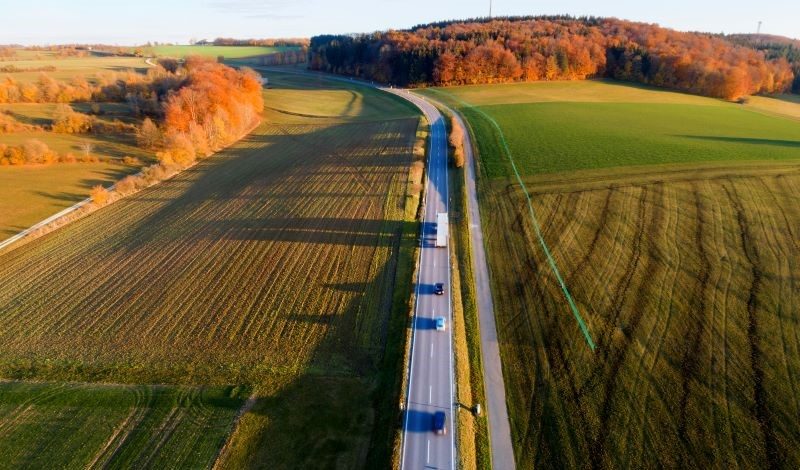
Why the Gap Looks Different Outside Cities
Most conversations about transportation focus on big cities with subways and bus rapid transit lines. Rural and suburban areas get left out of that picture, even though they face their own version of the same problem. A person without a car in a dense city can usually walk a few blocks to a bus stop. A person without a car in a rural township or a spread-out suburb might live miles from the nearest fixed route, if one exists at all.
This is not a small inconvenience. It shapes who can take a job, who can get to a doctor, and who can stay independent as they age. The term researchers use is the "opportunity gap," the distance between where someone lives and the jobs, schools, and services they need to reach. In low-density areas, that gap is measured in miles and minutes, and both add up fast.
The Hidden Costs of Being Underserved
When transit service is thin, the costs show up in places that are easy to miss. A missed shift because a ride fell through can cost someone their job, not just a day's pay. A missed medical appointment can turn into a more expensive emergency room visit later. Families without reliable transportation often spend a bigger share of their income on cars, repairs, and gas than families with better transit options, even though their incomes are usually lower to start.
Seniors face a quieter version of the same problem. Giving up driving does not have to mean giving up independence, but it often does when there is no other way to get to a grocery store or a pharmacy. Without a ride, errands pile up, social visits drop off, and isolation sets in gradually enough that it is hard to notice until it is serious.
Common Barriers Families Run Into
A few barriers show up again and again in rural and suburban areas:
- Routes that run too infrequently to match work schedules, especially second and third shifts.
- Stops placed along major roads with no sidewalks, making them hard or dangerous to reach on foot.
- Services designed around commuting to a downtown core, when the actual demand is suburb to suburb.
- Limited weekend or evening coverage, which cuts off access to jobs in retail, food service, and health care that run outside a nine-to-five schedule.
None of these are failures of effort. They are the natural result of trying to cover a lot of ground with a fixed budget. Low density means fewer riders per mile of route, which makes every route more expensive to run well.
What Actually Closes the Gap
Closing the opportunity gap in these areas usually comes down to matching service to how people actually live, not to how a transit map looks on paper. That means routes built around shift work and errands, not just morning and evening commutes. It means smaller vehicles that can serve lower-density stops without running mostly empty. It means coordinating with employers, senior centers, and medical offices so a ride shows up where the demand already exists.
Nick Miccarelli, CEO of DELGO Community Transit, works in this exact space, where the practical details of route planning and service coordination determine whether a transit system actually reaches the people who need it. Local leaders like Nick Miccarelli tend to focus less on headline numbers and more on whether a rider can actually get from home to work on time. That operational focus, not just funding, is often what separates a system that looks good on a map from one that works for its riders.
Signs a Community Is Falling Behind
A few warning signs suggest a local transit system is not keeping pace with its community:
- Riders routinely report trips that take far longer by bus than by car for the same distance.
- Service cuts happen quietly, without much public notice or input.
- Ridership data is not shared publicly, making it hard to tell if service matches demand.
- New housing or job centers get built with no transit connection planned alongside them.
What to Ask Before You Assume There Is No Fix
Residents in rural and suburban areas often assume better transit is simply out of reach where they live. Before accepting that, it is worth asking local officials a few direct questions: how often is route coverage reviewed, what data drives those decisions, and whether paratransit or demand-response options exist for people who cannot use a fixed route. The answers usually reveal more flexibility than people expect, and they point to where the real gaps are worth pushing on.
