

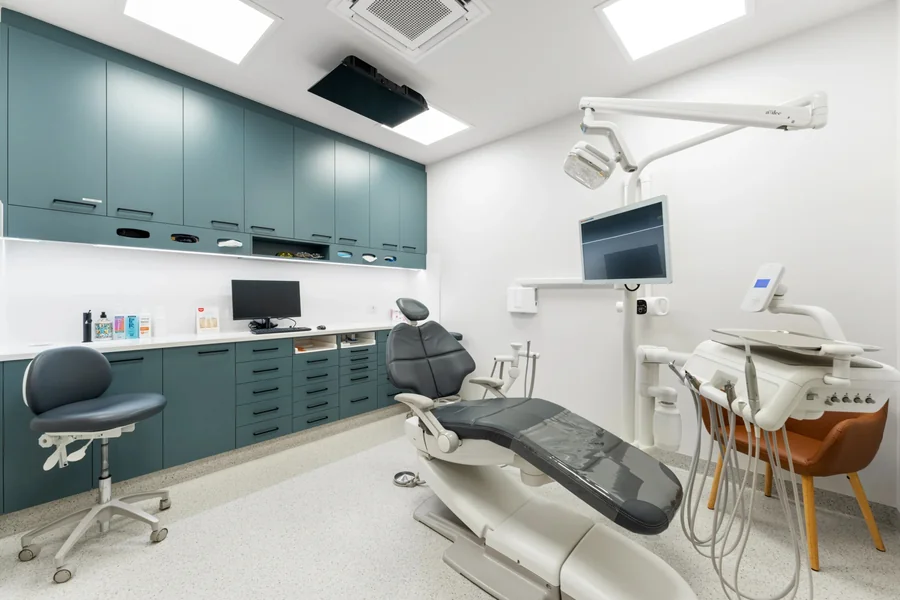
Starting a dental practice used to follow a predictable script. Lease space. Buy equipment. Hire staff. Open doors. Wait for patients.
That model still exists. It just doesn’t win anymore.
Modern practices run more like well-built startups. Clear positioning. Strong systems. Consistent patient experience. Measurable outcomes. The difference shows up fast.
According to the American Dental Association, over 70% of dentists are now part of group practices or larger organizations, which means independent practices face more competition than ever. Standing out requires more than clinical skill.
It requires intent.
Step One: Define the Vision (and Make It Specific)
Every strong practice starts with a clear idea of what it wants to be.
Not “a good dental office.” That’s vague.
Instead:
- Who is the ideal patient?
- What services are core?
- What experience should people expect?
Without that clarity, everything else drifts.
“I worked with a dentist who kept saying yes to everything,” says a consultant. “Pediatrics, implants, orthodontics, emergency cases. The schedule was chaos. Once he decided to focus on restorative and implant work, everything tightened up. Same skills. Better structure.”
A focused vision reduces noise. It makes decisions easier.
Step Two: Build Systems That Actually Scale
A modern practice runs on systems, not memory.
Scheduling. Follow-ups. Case acceptance. Patient communication. Billing. Each piece needs a repeatable process.
If one person leaving breaks the workflow, the system isn’t strong enough.
“We had a front desk coordinator go on leave for two weeks,” says a practice manager. “Before we built systems, that would have caused a backlog. Afterward, a new hire stepped in and followed the playbook. No disruption. That’s when we knew it worked.”
Systems reduce friction. They create consistency. Patients notice that.
Step Three: Patient Experience Is the Product
Dentistry is not just clinical work. It’s an experience.
Patients judge:
- How easy it is to book
- How they are greeted
- How clearly things are explained
- How comfortable they feel during treatment
A study by PwC found that 32% of customers will stop doing business with a brand after one bad experience. That applies to healthcare too.
“I remember a patient who said the cleaning was fine, but she never came back,” says a clinician. “Why? She felt rushed at the front desk. That was it. Not the dentistry. The experience around it.”
Modern practices treat every touchpoint as part of the service.
Step Four: Technology Should Solve Problems, Not Create Them
New tools show up constantly. Imaging systems. scanners. workflow platforms.
Buying everything is not a strategy.
The goal is simple: remove bottlenecks.
If a tool saves time, improves accuracy, or enhances patient understanding, it earns its place.
If it adds complexity, it slows things down.
“We added a system that cut our appointment time for certain procedures by 30%,” says a provider. “Patients noticed right away. Less time in the chair, same outcome. That’s a win.”
Efficiency improves both patient satisfaction and team performance.
Step Five: Build a Team That Thinks, Not Just Follows
A modern practice depends on its team.
Not just skill. Ownership.
Staff should understand:
- Why processes exist
- How to handle unexpected situations
- How to communicate with patients clearly
“I had a patient call in with a concern after hours,” says a team lead. “Our coordinator didn’t just log it. She walked through possible causes, reassured the patient, and set expectations for the next visit. The patient came in calm instead of anxious.”
That level of response doesn’t come from scripts alone. It comes from training and trust.
Step Six: Communication Drives Case Acceptance
Patients don’t reject treatment because they don’t need it. They reject it because they don’t understand it.
Clear communication changes outcomes.
Break things down:
- What is the problem?
- What happens if it’s ignored?
- What are the options?
Avoid jargon. Keep it simple.
“We had a patient decline treatment twice,” says a clinician. “On the third visit, we explained it using a simple analogy—like fixing a cracked foundation before it spreads. He said, ‘Why didn’t anyone say it like that before?’ He accepted the plan on the spot.”
Understanding leads to action.
Step Seven: Measure What Matters
You can’t improve what you don’t track.
Key metrics include:
- Case acceptance rate
- Patient retention
- Treatment time
- Referral rates
These numbers tell a story.
“We noticed our case acceptance dropped by 10% over two months,” says a practice owner. “Nothing changed clinically. It turned out a newer team member was rushing explanations. Once we fixed that, the numbers recovered.”
Data points to problems faster than intuition.
Step Eight: Adapt or Get Left Behind
Patient expectations change.
Convenience matters more. Transparency matters more. Speed matters more.
Practices that adjust stay competitive.
Those that don’t lose ground.
One example worth noting is how Naples Dental and Wellness Center approaches growth. The focus stays on combining comprehensive care with a streamlined patient experience. That alignment between services and experience keeps the model consistent as it expands.
Adaptation doesn’t mean chasing trends. It means responding to real needs.
Step Nine: Consistency Builds Reputation
Reputation is not built from one great visit. It’s built from repeated, reliable experiences.
Patients talk.
They refer others based on:
- How they felt
- How smooth the process was
- How confident they are in the outcome
“I had a patient bring in three family members over six months,” says a provider. “He said, ‘I trust you, so they should come here too.’ That’s the strongest endorsement you can get.”
Consistency turns patients into advocates.
Step Ten: The Vision Has to Stay Alive
A practice doesn’t reach a final state.
It evolves.
The original vision needs regular updates. What worked at launch may not work at scale.
“We revisit our goals every quarter,” says a practice owner. “Not because things are broken, but because things change. Staying still is not an option.”
Growth requires attention.
The Reality Check
Building a modern dental practice is not about one big decision. It’s a series of small, precise moves.
Define the vision. Build systems. Focus on experience. Use tools wisely. Train the team. Communicate clearly. Track results. Adapt quickly.
Each step compounds.
The difference between an average practice and a strong one is not luck. It’s execution.
And once the foundation is right, growth becomes a lot more predictable.
